by Amanda O'Neill | Nov 3, 2026 | Tips
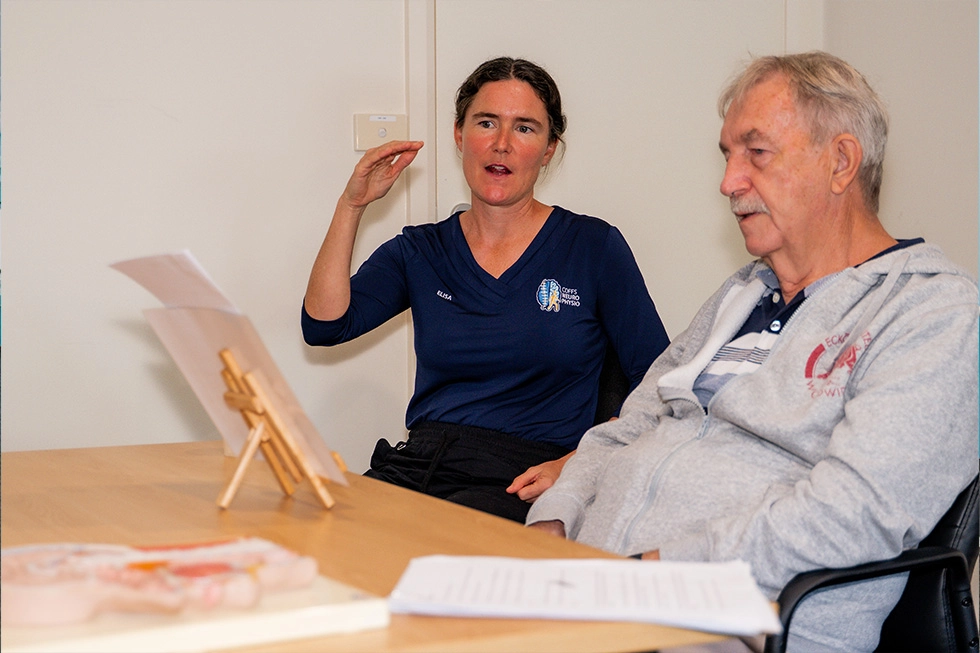
Communication is an essential part of everyday life. It allows us to connect with others, express our needs, make decisions and participate in the world around us. But as we move through different stages of life, the demands placed on our communication skills change....
by Amanda O'Neill | Nov 3, 2026 | Tips
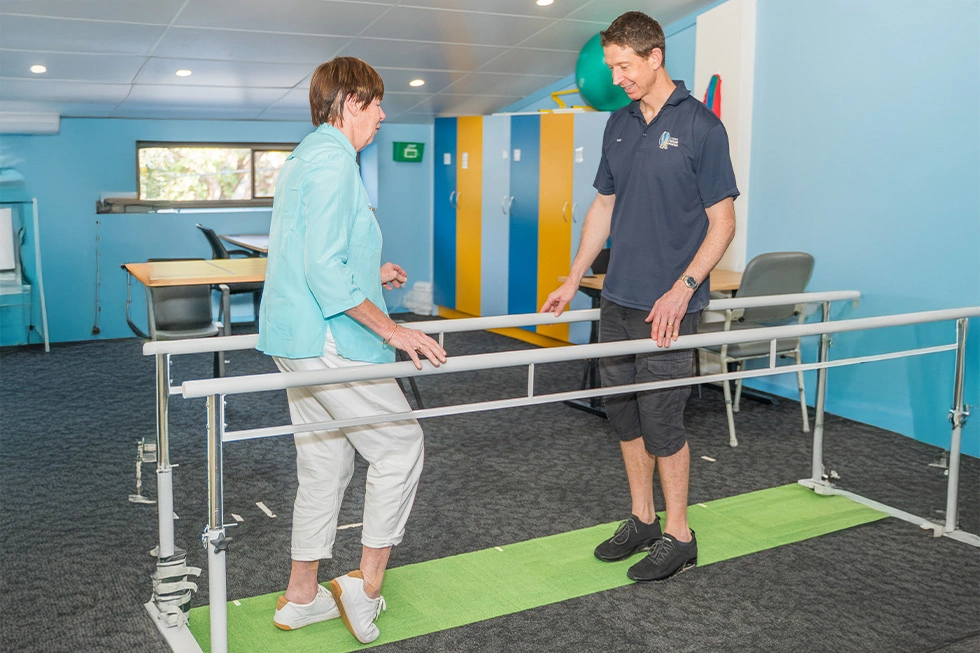
Most of us take everyday movements for granted. Reaching for a cup of coffee, writing a shopping list, walking through the supermarket or turning our head during a conversation are things we do without much thought. But what happens when movements become slower,...
by paradox | Sep 28, 2026 | Tips
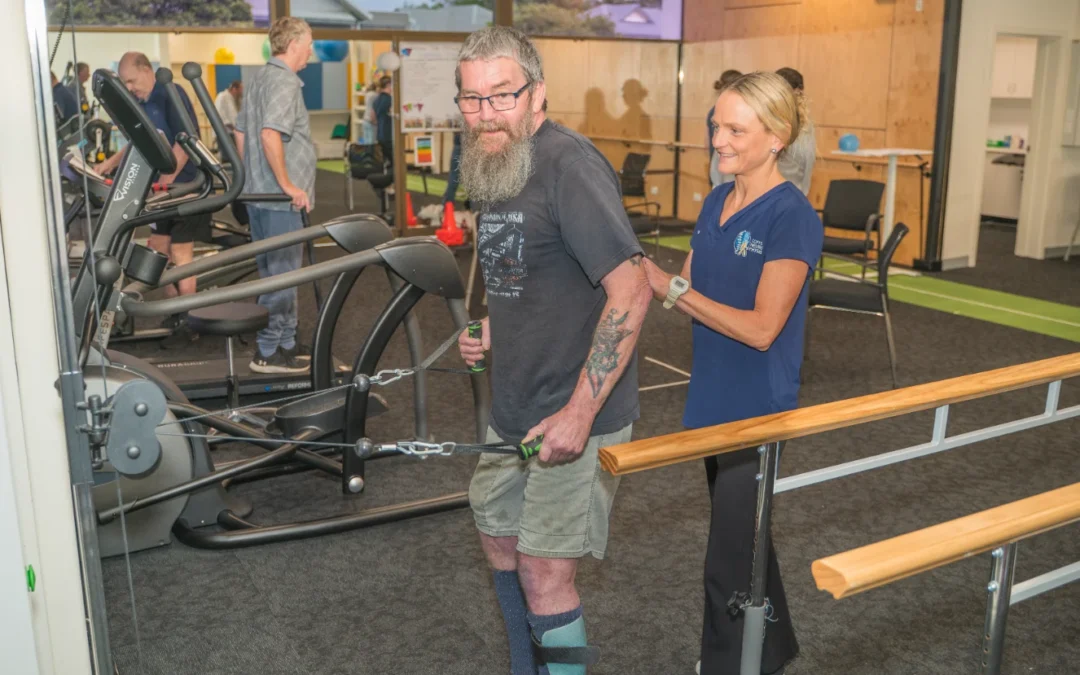
Have you had a fall or a near miss in the past year? A fall affects much more than your physical health. Even a near-fall reduces confidence, changes how you move and you may avoid activities you previously enjoyed. . Most falls are preventable and falls prevention...

by Amanda O'Neill | Jul 31, 2026 | Tips
Walking is one of the most accessible ways to stay active, but adding poles can turn an everyday walk into a more challenging, full-body exercise. Nordic Walking uses specially designed poles to encourage a stronger, more purposeful walking pattern. Urban Poling...

by Amanda O'Neill | Jul 29, 2026 | Tips
Regular exercise is an important part of managing many neurological conditions. Group classes and independent exercise programs can help increase exercise dosage, build confidence and support long-term consistency. However, even when exercise is going well, regular...
by paradox | Jun 24, 2026 | Tips
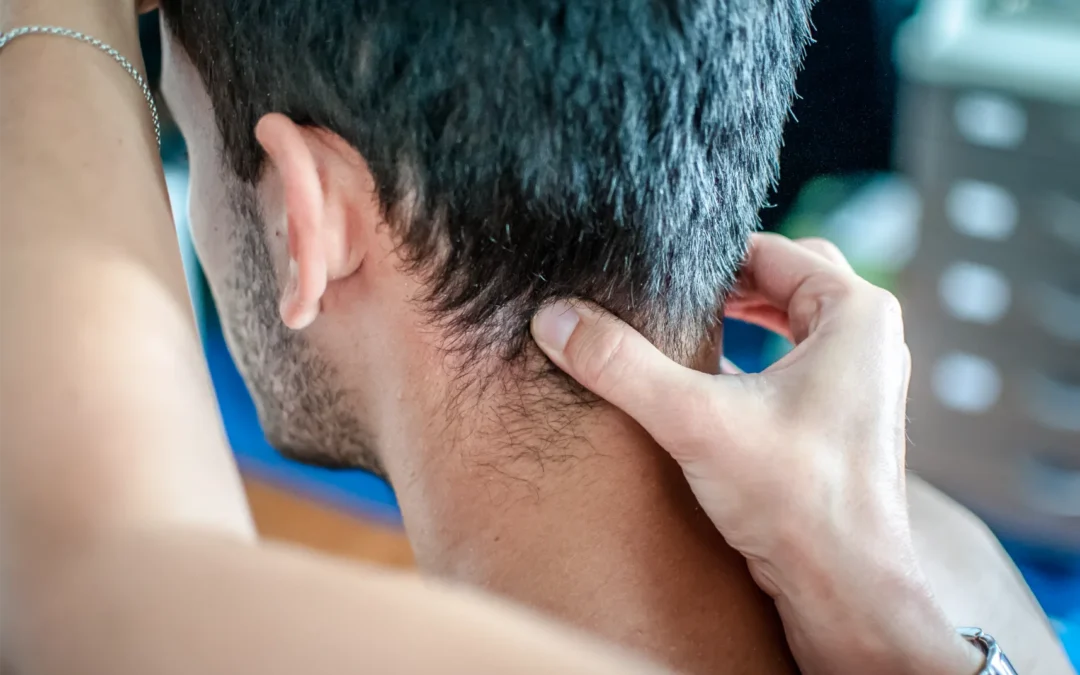
Physiotherapy management for cervical dystonia Cervical dystonia is a neurological movement disorder that causes involuntary muscle contractions in the neck. These contractions can lead to abnormal head or neck positions, muscle tightness, pain, tremor,...
